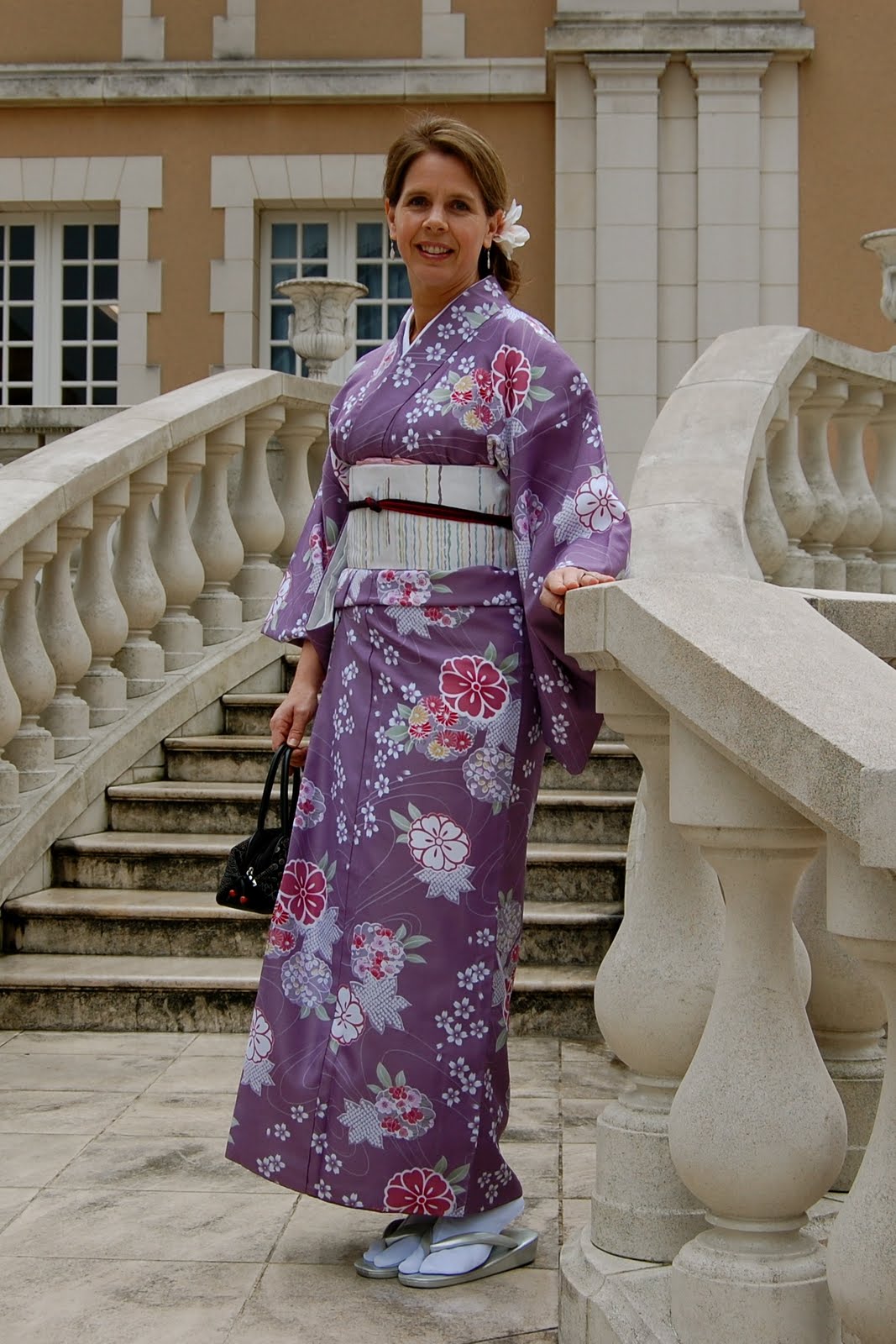
Showing posts with label arecole. Show all posts
7/01/2011
The half-way point - 中間点
How fast the times flies (when you're having fun)! I can't believe that I have reached the half-way point for The Year in Kimono! I'm about to take a little vacation (I'm off to Vietnam, and no - kimono is not in my suitcase... if Canada had trouble understanding, I don't think Vietnam would fare much better). While I leave you for two weeks - enjoy this recap of the adventure thus far:
「着物の一年」ももう半分が過ぎてしまいました!楽しい事をしてる時ってあっという間に時間が経ってしまうようですね!私はこれからベトナムへちょっと旅行へ行ってきます。(スーツケースに着物なし。カナダでもわかってもらえなかった着物の良さ、ベトナムでもダメかな。。。)2週間ほど沈黙が続きますが、今までの冒険の復習・リキャップをして待っててくださいね!。
Breaking the Rules - ルールを破る:
What started the 'breaking the rules' theme from the very beginning was lack of proper shoes. With less than 2 weeks from idea to go - I didn't have time to start the project with proper footwear, and thus... I started my first appearance in kimono already breaking the rules.
「ルールを破る」というテーマは、私がそもそも着物用のはきものを持っていなかったことから始まりました。このプロジェクトの発想から実際のスタートまでたった2週間しか時間がなかったので、スタート地点から実はルールを破っていました!
A/r/e/c/o/l/e magazine - アレコレ雑誌:
Just a month after the project began, A/r/e/c/o/l/e magazine contacted me and asked me to contribute content in their segment dedicated to bloggers - in Japanese! This meant The Year in Kimono project was read by Japanese kimono aficionados before we even started to get noticed by English readers and press. Look for The Year in Kimono in Volumes 69-71.
「着物の一年」の誕生からたった1カ月後、雑誌「アレコレ」から連絡をいただき、雑誌のブロガーセクションに記事を載せませんかと聞かれました。しかも日本語で!ということは、英語の読者や外国プレスに気付かれる前にまず日本の着物ファン達の間で広がったのです。「アレコレ」の69‐71号に「着物の一年」が乗っていますので、どうぞ皆さんご覧になってください。
Kimono School - 着物学校:
I was a little shocked when I first learned that the typical kitsuke (kimono wearing) course is 6 months(!!) - but it turned out to be one of the most cherished and fond memories I have of the project thus far.
着つけコースは普通6カ月もあるものだと知り、最初はびっくりしました!しかし、今となってはそれも貴重な経験と暖かい思い出、とてもうれしいです。
This is mostly due to my lovely teachers at Hakubi Kimono School. Always patient and kind, they are my sartorial inspirations for this project - thank you!
きつけ教室をこんなに楽しめたのも、ハクビ着物学園の先生方のおかげです。常に根気強く優しく教えてくださり、そしてこのプロジェクトのインスピレーションもいろいろいただきました。ありがとうございます。
The Translators - 翻訳者:
It was extremely important to me from day one to make this project bilingual (even though my Japanese level is low) so none of this would be possible without the translators! Thank you to Elie Yoo (Dec.-Feb.) and Chiyono Jaeger (Mar.-Jun. including the a/r/e/c/o/l/e submissions) for adding your Japanese words and voice to the first half of this project!
私は、最初からこのプロジェクトを絶対バイリンガルにすると決めていました。でも、私の日本語は初心者レベル。それでもここまで来られたのは翻訳者のおがけです!ありがとう、エリーユー(12月‐2月)。ありがとう、イエガー千代乃(「アレコレ」の記事も含め、3月‐6月)。日本語側の声になってくれて、ありがとうございます!
I'll be back in July - in the meantime, enjoy the blog and reading about The Year in Kimono - the first half.
7月に帰ってきます。それまでは、「着物の一年」の上半期について読んで楽しんでください!
5/11/2011
留袖 - Tomesode
「留袖」というものを先生が初めて説明してくださったときに、私は得意の想像力を働かせすぎて、勝手に解釈ミスをしてしまいました。留袖とは「羽を切る」ようなものだと。
なぜそう思い込んだかというと、結婚した女性は、未婚の頃のように美しい羽をはばたく振り袖を捨て、自由なその羽を留めなければならない時期が来たという意味なのだろう思ったのです。
でも、それが私の完全な妄想だと気づいた時には、自分で笑ってしまいました。実はそんな深い意味はなく、単に、主婦となったらしなければならない家事の邪魔にならないようにという実用的な理由で袖の長さを短くするだけだったんですね。まったく西欧的な誤解ですよね!
実際に私が留袖を着られる機会は、なかなかないと思います。だから着付けレッスンで着られてとても嬉しかったです。
着物と袋帯にもちゃんと意味があるという事実にも感心しました。二倍の幸せを招くために二重である。そして、何度でも、また何代にもわたって繰り返して着る。こういうものはカナダにありません。カナダでは、結婚式にお嫁さん以外白いドレスを着てはいけない、というのがたった一つの規定です。新郎新婦の母親だけが特別なドレスを着て、それでもウェディングドレスと同じく一回しか着ないものです。
---
When my teacher first explained Tomesode (the formal kimono worn by married women) to me, I misunderstood the explanation and thought the sleeves were ‘wings’ and that the tomesode was ‘clipping wings’ rather than the two kanji meaning "to fasten" (留) and "sleeve"(袖). My mind went on a whole story about how married women do need to clip their wings, that they aren’t the beautiful butterflies they were in their furisode (the formal kimono for unmarried women has long sleeves - that almost touch the ground) before they got married. But that’s my western misinterpretation. I giggled when I realized that it was far less sinister and much more practical; sleeves needed to be shortened to be more practical in the kitchen.
I don’t think I will ever get a chance to wear tomesode (it should be worn at the wedding of your sister, or children - neither of which I have), so I loved the fact that I had the opportunity to wear one at kimono school. To further celebrate the occasion in which it is worn, the kimono and the furkuro obi are full of meaning as well, both are double lined to bring double happiness.
And the best part about tomesode is it is worn again and again. It is the formal dress for a married woman. You only need one. We don’t have this in Canada. Our only stipulation is that to a wedding you can’t wear white, as it detracts from the bride. And the mothers of the bride and groom are the only ones who usually wear special dresses, but these (like the wedding dress) are only usually worn once and rarely handed down.
- originally published in a/r/e/c/o/l/e monthly magazine, June Issue. アレコレ月刊の6月号に出版
4/30/2011
タクシーで - In the Taxi
昨日、夫と出かけた帰り、二人でタクシーに乗りました。前にも着物でタクシ
ーに乗ったことはありますが、誰かと一緒に乗るのは初めてでした。洋服のとき
と同じに、私が先にタクシーに乗りこみました。それが大間違い!これまでの一
生の中でもトップレベルの恥ずかしい経験をしてしまいました。タクシーのドア
側から右奥の席まで腰をずらして移動しようとした時、左右の足はばらばらの方
向に開き、それにつれて着物がどんどんねじれてしまったのです。あまりにもみ
っともなかったのでしょう。目的地に着いた時、タクシーの女の運転手さんが振
り返り英語で言いました。「あなたね、両膝を付けてゆっくり動くの。右手で着
物を抑えて。ほらそれでいいんですよ。」世話好きのおばさんが小娘にしつけを
するように。私はびっくりしました!まずその運転手さんが英語で話してくれた
こと、そして、英語で言わなくてはならなくてももう我慢が出来ないほど、私の
ブザマなお行儀で今度は降りるところが見たくなかったということです。おまけ
に家に帰って着物を片づけるときになって、私は着物が破れているのに気づいた
のです。運転手さんは着物のマナーを教えるだけでなく、これ以上被害がないよ
う気を使ってくれたのですね。道はまだまだ遠いなあ。
----
I had to go somewhere with my husband yesterday, and we decided we would come home in a taxi. I’ve ridden in a taxi, in kimono before, but yesterday was the first day I rode with someone else. As I do when I wear casual clothes, I entered the taxi first. What a mistake. It was one of my most ungraceful moments - ever. My legs seemed to each go their own way and the kimono got twisted around as I tried to slide over to sit behind the driver. It was so ungraceful that when we reached our destination, the driver leaned over, and spoke to me in English, and guided me out of the taxi “Keep your knees together, move slowly, keep your right hand on the kimono – that’s it.” I was so shocked – firstly that the taxi driver (a woman) had overcome her fear of speaking English so that she could guide me (it was the kind of tone that a perturbed mother or aunt gives to a younger child) and that my entrance into the taxi had been so ungraceful that the driver decided she couldn’t watch me repeat the performance.
It wasn’t until I got home, and was putting the kimono away that I saw the tear. Then I realized – the taxi driver must have been concerned, not just for the grace of the kimono, but for the care and helping me avoid further damage.
- originally published in a/r/e/c/o/l/e monthly magazine, June Issue. アレコレ月刊の 6月号に出版
4/15/2011
Blue Kimono - Daimaru - 青い着物ー大丸
Now we are back in Tokyo and spring has sprung. How green and lush compared to Toronto! This is the first kimono I ever bought. I went with a friend to a big year-end sale at Daimaru department store at the end of 2010, just before The Year in Kimono project began. This kimono is recycled and was the only one in the entire store that was my size. Because I am 172 cm tall, it is a challenge to find recycled kimono that fit me. Not just in the length, but more importantly in the arms. My friend and I must have searched through hundreds before finding this one. And I loved it on first sight. The colour is beautiful and I love the way the silk changes and gets darker the closer it gets to the ground; making it perfect for everyday wear and hiding dirt. Now that the weather is getting warmer, it’s perfect to head outside for a walk. I took a stroll to the Museum of Contemporary Sculpture, which is located in Nakameguro. It’s outdoor areas include a garden of figurative studies; a wonderful peaceful spot to sit and contemplate life, and enjoy the spring.
さあ、私たちは東京に帰ってきました。東京はすっかり春になっていました。トロントに比べて何て緑がいっぱいで素敵なのでしょう!この写真の着物は私が生まれて初めて買った着物です。「着物の一年」の直前、友達と大丸デパートに行ってなので、サイズを見つけるのが大変なのです。私はその時まで着物はすべて一つのサイズだと思っていましたが、実際には着る人の寸法に合わせて誂えるものだと始めて知りました。また同時に、私は日本女性の平均サイズに比べてはるかに大きいのだということも気付きました。この青シルクの一枚に会えるまで、何百枚かは見たと思います。でもこの着物に会ったとき、一目見て気に入りました。とてもきれいな色でしょう?そして裾に向かってだんだん色が濃くなるところも素敵だと思います。それに、気兼ねなく普段に着て、多少の埃も目立たないと思います。大分暖かくなってきたので、散歩にもぴったりですよね。この着物を着て、先日、中目黒にある現代彫刻美術館に行ってきました。ここでは、庭園にも彫刻が展示され、ゆっくりと春の一日を楽しむのに絶好のスポットです。
- published in a/r/e/c/o/l/e monthly magazine, May Issue. アレコレ月刊の5月号に出版
4/02/2011
Sakura Kimono in Toronto - トロントでの桜着物
We took a trip to Canada this past month to celebrate my father-in-law’s 70th birthday. Of course, kimono went with me and I have to say, I was very surprised by the reactions (or lack of reactions) I received from my fellow Canadians. When I wear kimono in Tokyo, especially in my neighbourhood, I usually get a lot of reactions. Sometimes it’s a head nod or a smile, sometimes a low whispered ‘kirei’ or ‘suteki’ as I pass. But when I wore it in Toronto, the reaction was indifferent; most people didn’t even take notice. We headed down to the popular waterfront to take some pictures and didn’t catch the notice of any of the runners, cyclists or dogwalkers on the boardwalk. No one gave me a second look, a nod, nothing. Perhaps they don't recognize kimono if it's not on maiko or geisha? I have no idea why, I was very surprised.
Oh well, we had fun trying to bring some spring to Toronto in my sakura kimono. Spring comes later in Canada, when after the snow melts, we are blessed with tulips and daffodils instead of sakura.
先月、義理の父の70歳の誕生日を祝いにカナダに行ってきました。カナダまではとても遠くて、飛行機で14時間もかかります。でも家族に会えるのもうれしいですし、私の着物をカナダで紹介するのも楽しみでした。お祝いに桜の着物を着ました。家族は、実際に私の着物姿を見てとても喜んでくれました。ブログの写真しか見ていなかったので。しかし、それ以外には、カナダ人の反応は意外でした。東京で着物を着て歩くと、にっこり笑って会釈してくれたり、たまには「きれいですね」とか「素敵ね」と通りすがりに小さく声をかけてくださる方もいます。一方、トロントで着物を着ても何の反応も引き出すことができませんでした。私たちは、写真を撮りに人気のある海岸へ行ったのですが、その途中すれ違ったジョガー、サイクリスト、犬の散歩をする人からも何の反応もありません。振りかえる人もなければ、うなずいてくれる人も、笑顔を向けてくれる人もないのです。芸者や舞子さんでないと着物として認めてくれないのかしら。理由は分かりませんが、私はとてもびっくりしました。
まあ、とにかく、桜の着物を着てトロントに日本の春を届けようとしたわけです。カナダの春は遅くやってきて、雪が解けた後は、桜の代わりにチューリップや水仙が春の訪れを教えてくれます。
- originally published in a/r/e/c/o/l/e/ monthly magazine May Issue /5月号のアレコレ月刊で出品されました。
3/19/2011
Reflections on Kimono − 着物について
Sakura (cherry blossom) time is coming and I can hardly wait. My Japanese friends are always asking me to wear kimono with them, but rather than wear it for coffee or shopping, they would prefer an ‘event’ and the third kimono event is finally coming (if I count New Year’s Day and Coming of Age day as events 1 and 2) – sakura!
One of my hopes with the Year in Kimono project is dispel the myth that kimono are only ‘special event’ attire. Of course there are special event kimono: Coming of Age Day, wedding day, etc., where an elaborate kimono is the centre piece of the event. But there can be many occasions and reasons to wear them. The least of which is the rise in affordable kimono.
With kimono-wearing in decline, it means there are plenty of recycled and second-hand kimono available at antique markets and second-hand kimono shops around Japan. This picture is my favourite kimono and I bought it for 7,000 yen (about $70 USD) at a market; which is about the same price as a dress or outfit from H&M or Zara. The design is casual, the colouring is devine. And at that price, I can wear it anywhere and anytime.
And when sakura time arrives, I will joy in wearing kimono with my friends, and hope that this year, during this occasion, they remember how comfortable and lovely kimono is and decide to wear theirs more often.
ようやく桜の時期が参りますね。ワクワクです!日本人の友達によく着物を一緒に着ようっと誘われますが、普通にお茶やお買い物をする場より、ちょっとスペシャルなエベントで着物を着たいという気持ちが多いため、「お花見」という今年の第3着物チャンス(お正月と世人式が第1と2チャンスであれば)が楽しみです!
だが、私のプロジェクトのもう一つの希望は、着物が「スペシャルイベントのみの服装」という考え方を追い払うことです。もちろん、着物が注目を浴びるイベントもあります。しかし、だからといってほかのイベントにも着て行けないという訳ではないでしょう。色々な場面で着る理由もあるのではないか。少なくとも手入可能なお値段の着物の増加はその理由の一つになるでしょう。
中古やリサイクル着物は、日本のところどころにあるアンティークマーケットにたっぷりあります。この写真の着物は私のお気に入りで、マーケットで7000円で買ったものです。お値段はH&MやZARAで買えるドレスと同じぐらいでしょう。さりげないデザインとこの素晴らしい色見の着物がこんなお値段なら、いつでも、どこでも着られる!
今年も、桜の下で着物の楽しみ、着やすさ、と素晴らしさを思い出し、友達の着物を着る回数を増やすことができればという望みを持ち、美しい風景を楽しみたいと思います。published in a/r/e/c/o/l/e monthly magazine, April Issue. アレコレ月刊の4月号に出版
2/27/2011
Reflections on Kimono − 着物について
「着物の一年」という私のプロジェクトの一つのゴールは、一人で着付けを10分で終えるようになることです。プロジェクトスタートから3ヶ月後の今でもう着付け時間を90分から20分に絞ることができました。よく「自分で着付けをできますか」と聞かれる私は、やっと「はい!」と笑顔で答えられるようになりました。これはもちろん、着付け授業のおかげです。
着物の着付けは難しくはないが基礎だけはちゃんと教わったほうがいいと思います。着物学校で受けている着付けコースの3分の1を完成した私には、今の自分の段階とゴールの「10分着付け」との距離がだんだん縮まってきたような気がします。
最近のニューヨークタイムズのオピニオンページで、東京人のお母さんが子供の卒業式に着物を着て行きたい、という気持ちを表す記事を読みました。無限界の色、柄、または生地の組み合わせを楽しみたいが、「そのような美学とクリエーティビティの喜びは、現代女性にとって益々基礎を知る時間などの余裕がないため難しくなって行き、着物の下り坂は続くのではないか」と表現しました。
One of my goals, for my Year in Kimono project, is to be able to get dressed in about 10 minutes. The project is now three months old and already I have gone from taking 90 minutes to get dressed to now needing about 25 minutes! People always ask me if I can dress myself. And I proudly answer “yes!” This, of course, is thanks to my kitsuke (kimono wearing) classes.
I recently watched a special on NHK about ABC Cooking school, and they have over 240,000 students and it made me wonder how many women take kitsuke. Wearing kimono is like cooking, in that it’s not difficult, but someone should teach you some basics. I have studied 12 hours of a 36-hour course, and I feel comfortable and confident dressing myself. My10-minute goal is not far off.
In a recent Op-Ed piece in the New York Times a Tokyo mother, writing about her desire to wear kimono to her child’s graduation, concluded that although kimono, with it’s endless possibilities of color and fabric choice is beautiful “those aesthetic and creative pleasures are increasingly not worth the trouble for modern women, so kimono wearing is likely to continue to decline.”
I don’t think there is any reason for decline. Kimono wearing is a skill, like cooking or riding a bike, that once learned, can bring so much enjoyment.
- published in a/r/e/c/o/l/e monthly magazine, April Issue. アレコレ月刊の4月号に出版
Subscribe to:
Posts (Atom)